In 1877, Trinity House needed the hardest stone in Britain for the most dangerous building site in the sea. James Douglass chose De Lank. The tower he built with it has now stood in the open Atlantic for more than 140 years.
Some commissions test a stone. One or two prove it for good.
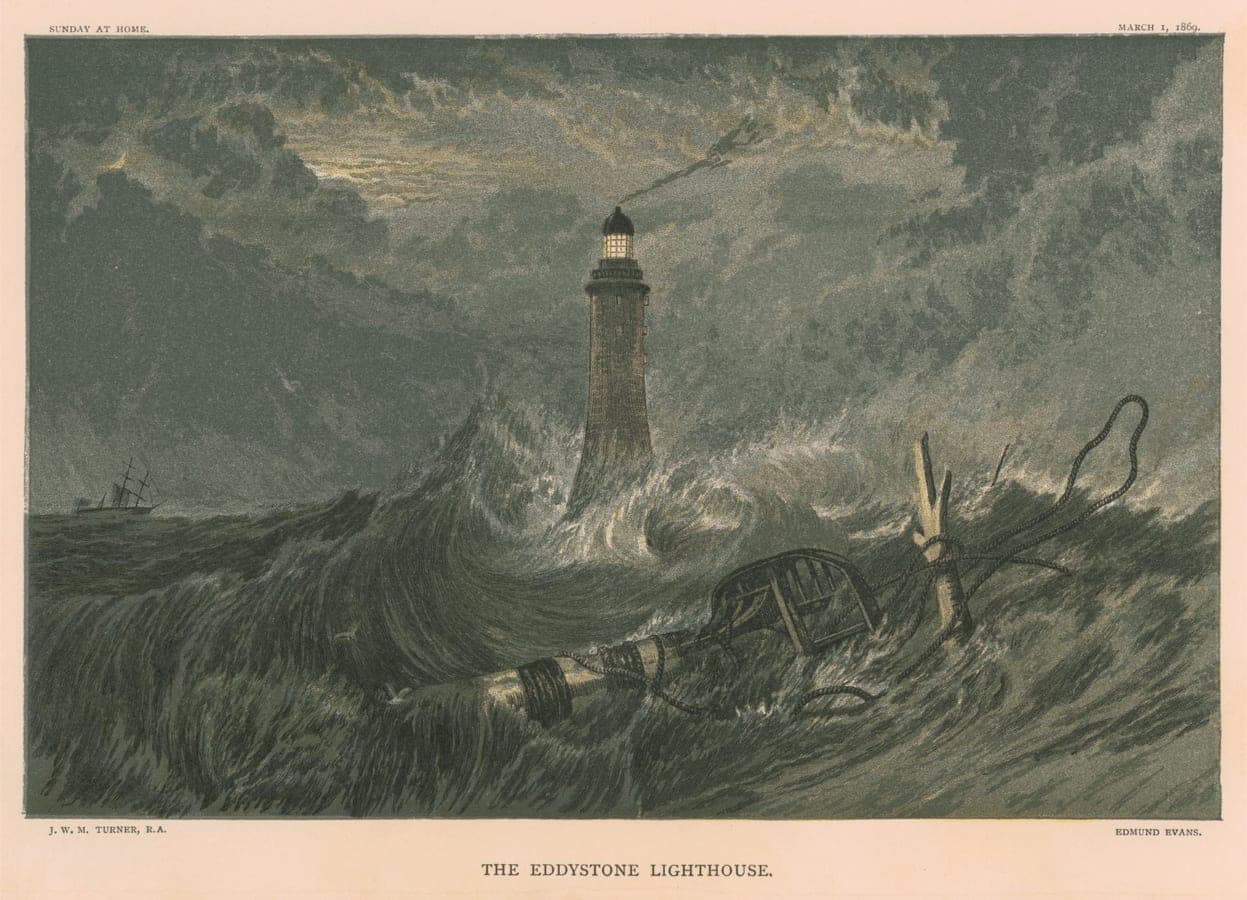
In 1877, Trinity House appointed James Douglass to build the fourth lighthouse on the Eddystone reef, fourteen kilometres off Plymouth in open water that takes the full force of the Atlantic and the Channel. Two earlier towers had already been lost out there, one to storm and one to fire, and the rock beneath John Smeaton's famous third tower was failing. There was no more unforgiving building site in Britain.
Douglass needed the hardest, most durable stone available. He chose the silver-grey granite of De Lank.
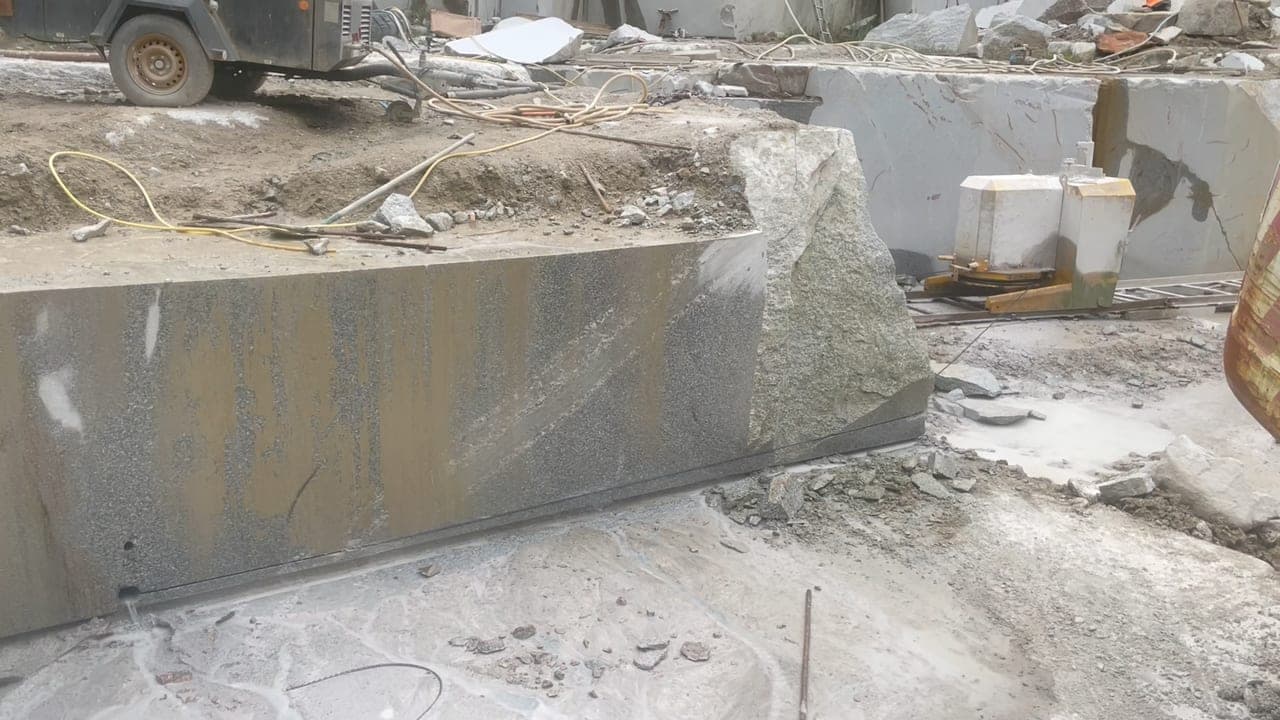
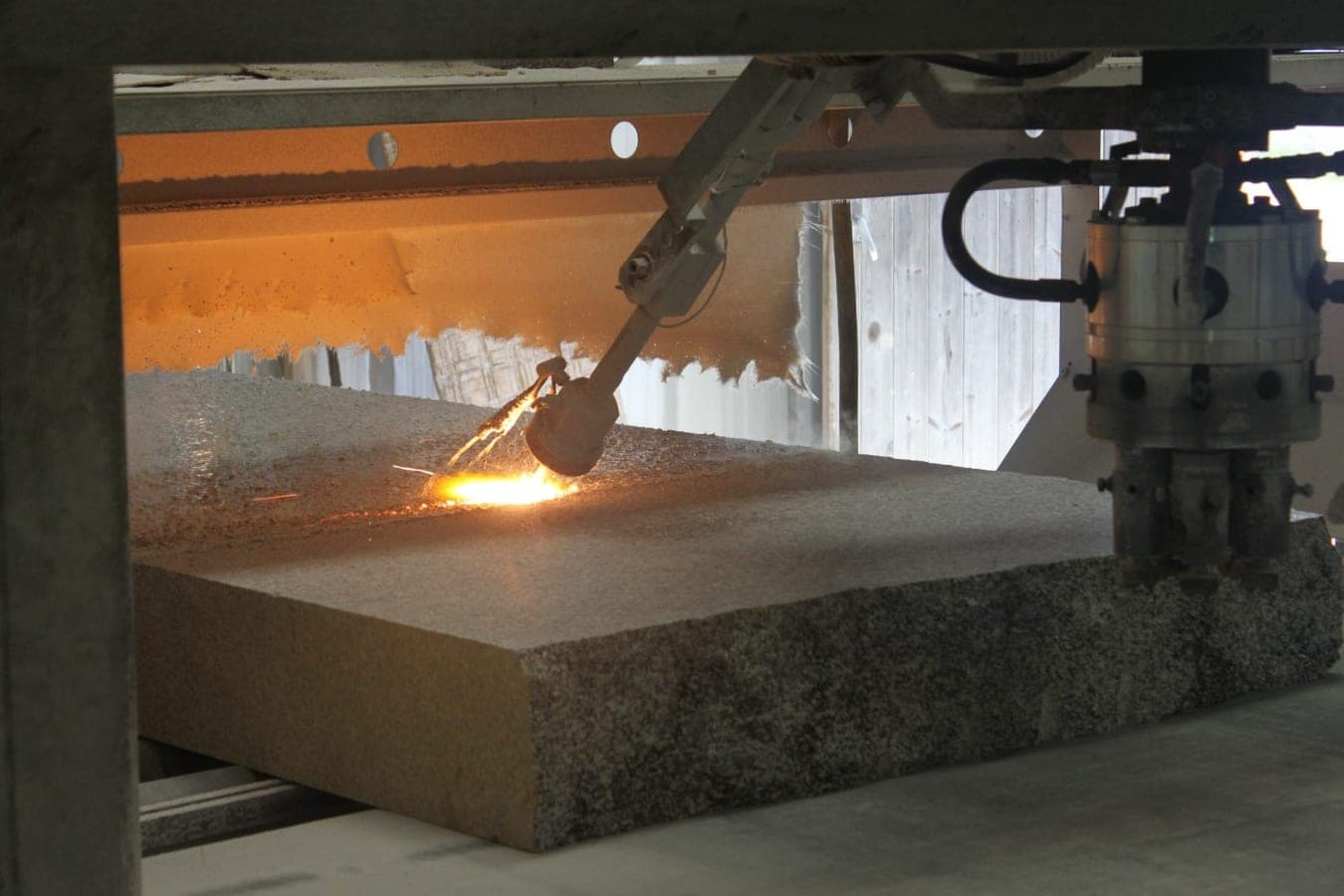
What happened next says as much about method as material. Around 2,171 blocks, some 4,668 tons of granite, were won from the De Lank quarry on Bodmin Moor for the tower. Every block was dressed and dovetailed on all of its faces, locking into its neighbours and into the courses above and below, so that once a stone was lowered onto the reef and keyed home, the sea could not lift it back out.
The tower was completed in 1882, and the Duke of Edinburgh laid the final stone. More than 140 years later it is still in service, standing against everything the sea has thrown at it since. No replacement, no rebuild. The ground the stone came from is still part of the working quarry today.
Two things from that commission still shape how we work.
The first is the stone itself. Eddystone is the hardest field test a building material can be given, and De Lank granite has now passed it across three different centuries. When the same granite is specified today for paving, walling, steps or cladding, the durability is not a claim. It is on record, in the sea.
The second is precision. Cutting nearly 4,700 tons of granite so exactly that every block locked into a structure the sea could not break demanded repeatable, disciplined masonry, and that discipline never left. It is the same thinking that recently produced over a thousand linear metres of large format cladding for the US Embassy in London, every panel cut to exacting tolerances.
The stone that won the hardest commission in Britain is quarried from the same hillside still. You can see the full story and photographs on our Eddystone Lighthouse project page, and we are always pleased to send samples or talk through what the same granite could do for your project.