Eddystone Lighthouse
1759
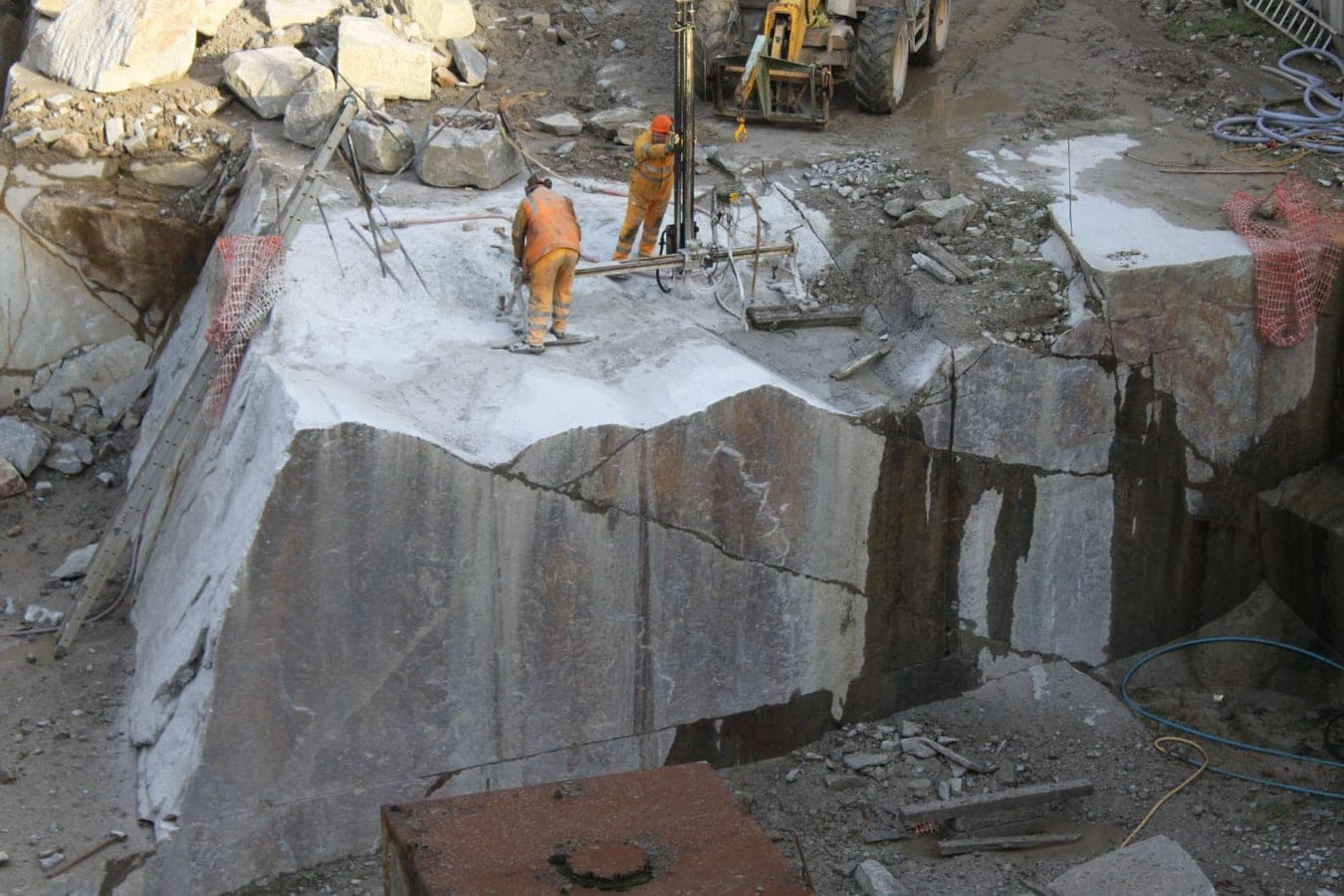
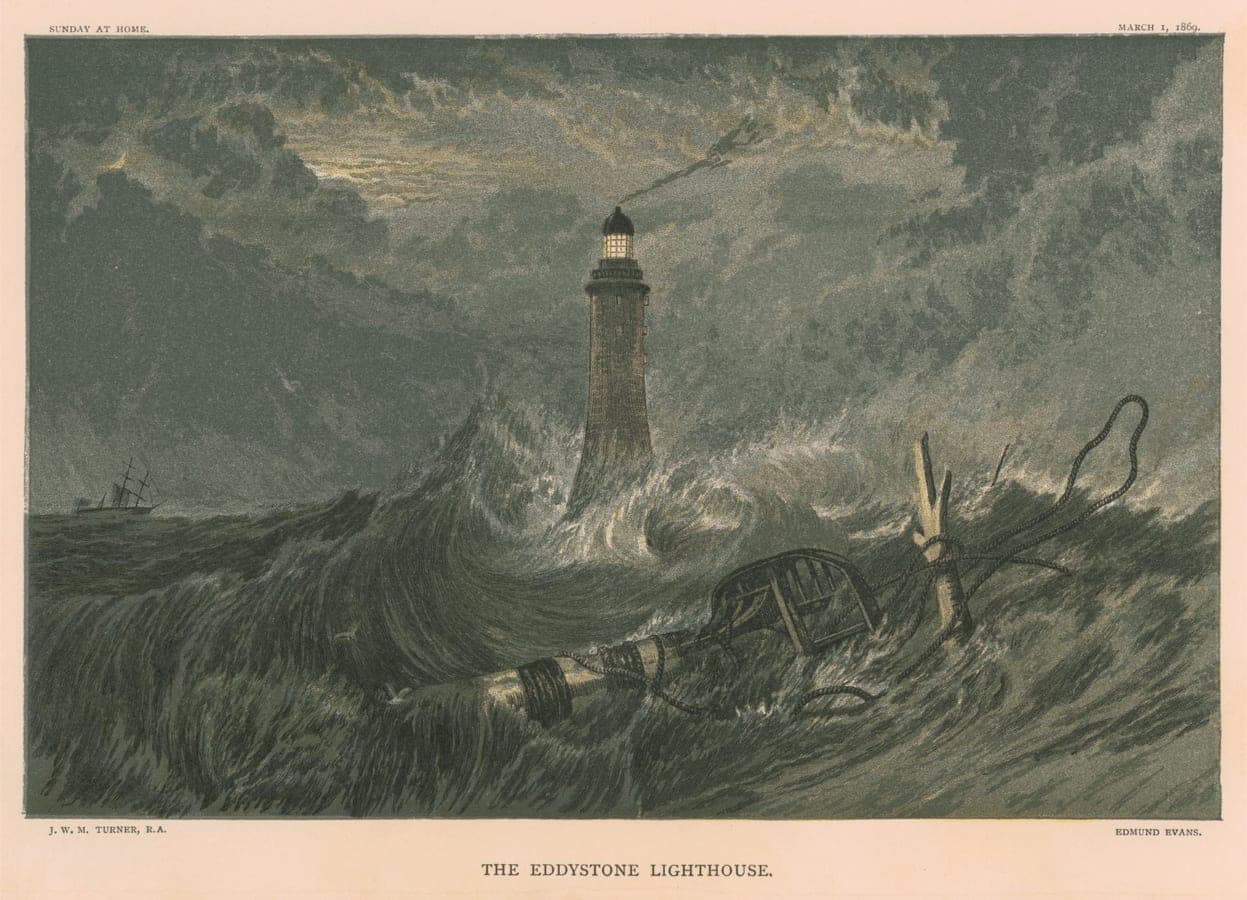
The Eddystone reef lies around 14 kilometres south of Plymouth, in open water that takes the full force of the Atlantic and the English Channel. It is the most famous lighthouse site in Britain, and one of the most dangerous. Four towers have stood here since 1698, and the story of each is part of the history of engineering. The first two were lost, one to a great storm and one to fire. The third, John Smeaton's tower of 1759, proved a lighthouse could survive on the reef and stood for over a century, until the rock beneath it began to fail. In 1877 the building of a fourth tower was given to James Douglass, engineer to Trinity House. Douglass chose De Lank granite. He needed the hardest, most durable stone available, and the silver-grey granite of Bodmin Moor met the demand. It was quarried at De Lank, and every block was dressed and dovetailed to its neighbours and to the courses above and below before being shipped out to the reef and set in place. The tower was completed in 1882 and opened by the Duke of Edinburgh, who laid the final stone. More than 140 years on it still stands against everything the sea throws at it, and the stone was won from ground that remains part of the working De Lank quarry today. It was the commission that carried De Lank granite into the front rank of British building stone.
Enquire about a similar project →