
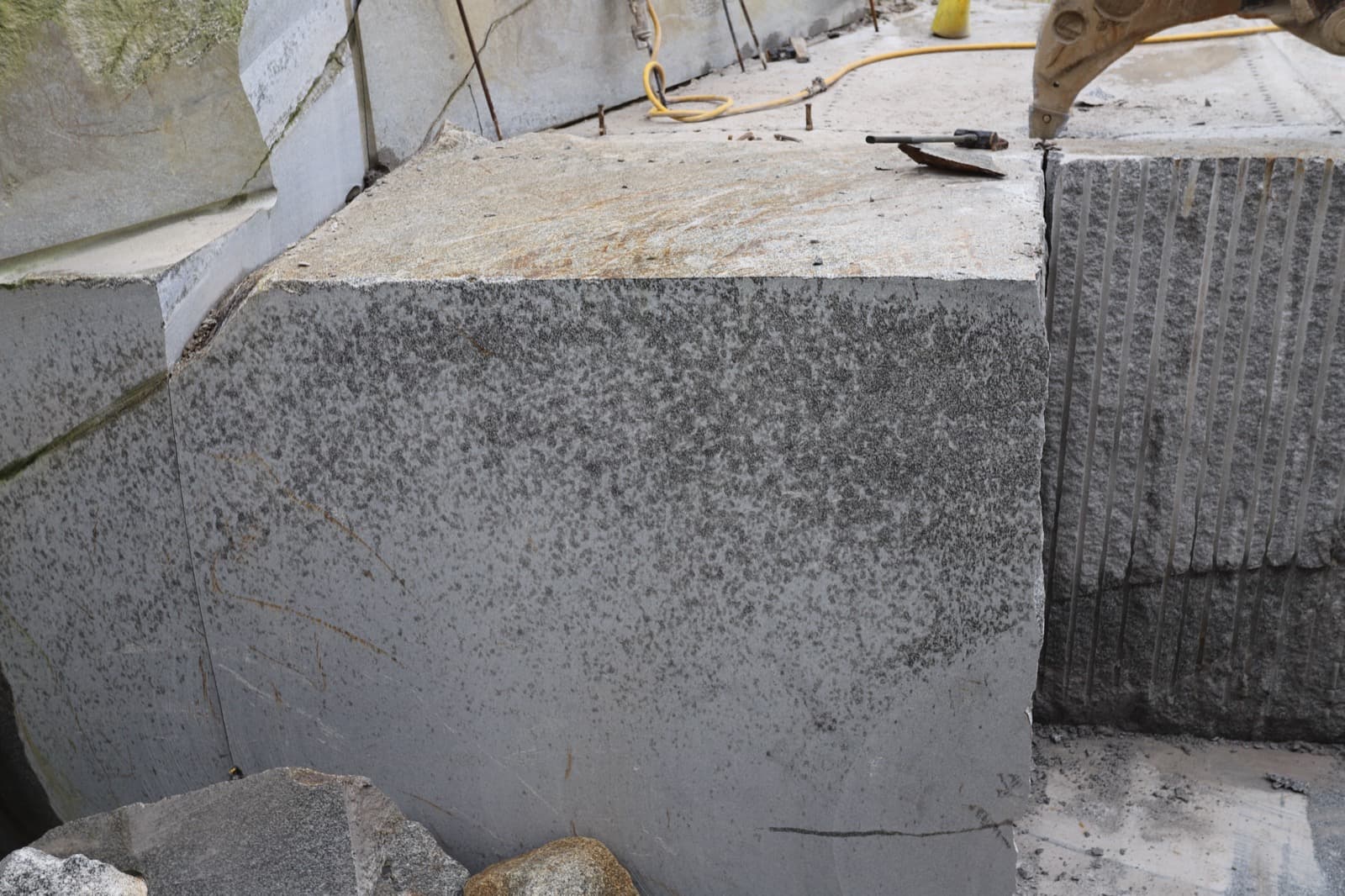
Formed 290 million years ago.
Quarried since 1759.
Silver-grey Cornish granite
De Lank granite formed during the Variscan orogeny, when molten rock intruded into the Cornish crust and cooled slowly over millions of years. The result is an exceptionally uniform stone — consistent colour, consistent grain, consistent strength — that has made it the material of choice for Britain’s most demanding structural and architectural projects.
The silver-grey colouration comes from its high quartz content and the specific balance of feldspars formed at this location. No other Cornish quarry produces granite of the same tone. This is why De Lank stone can be identified in Tower Bridge, the Thames Embankment, Trafalgar Square and Buckingham Palace — and why restoration projects specify De Lank when they need an exact match for original Victorian stonework.
Technical specification
Structural strength
- Compressive Strength Dry
- 219 MPa
- Flexural Strength
- 24.1 MPa
- Modulus Of Rupture
- 17.64 MPa
- Youngs Modulus
- 32.3 GPa
Physical properties
- Density
- 2644 kg/m3
- Water Absorption
- 0.20%
- Open Porosity
- 0.60%
- Abrasion Resistance
- 17.9
- Salt Crystallisation
- 0.69%
- Thermal Expansion
- 7.243 x 10^-6
- Polished Stone Value
- 53
Mineral composition
Frost resistance
Not affected. Freeze-thaw result: 0.08% weight loss.
Durability
Virtually indestructible. Expected lifespan equal to that of the building.
Six finishes
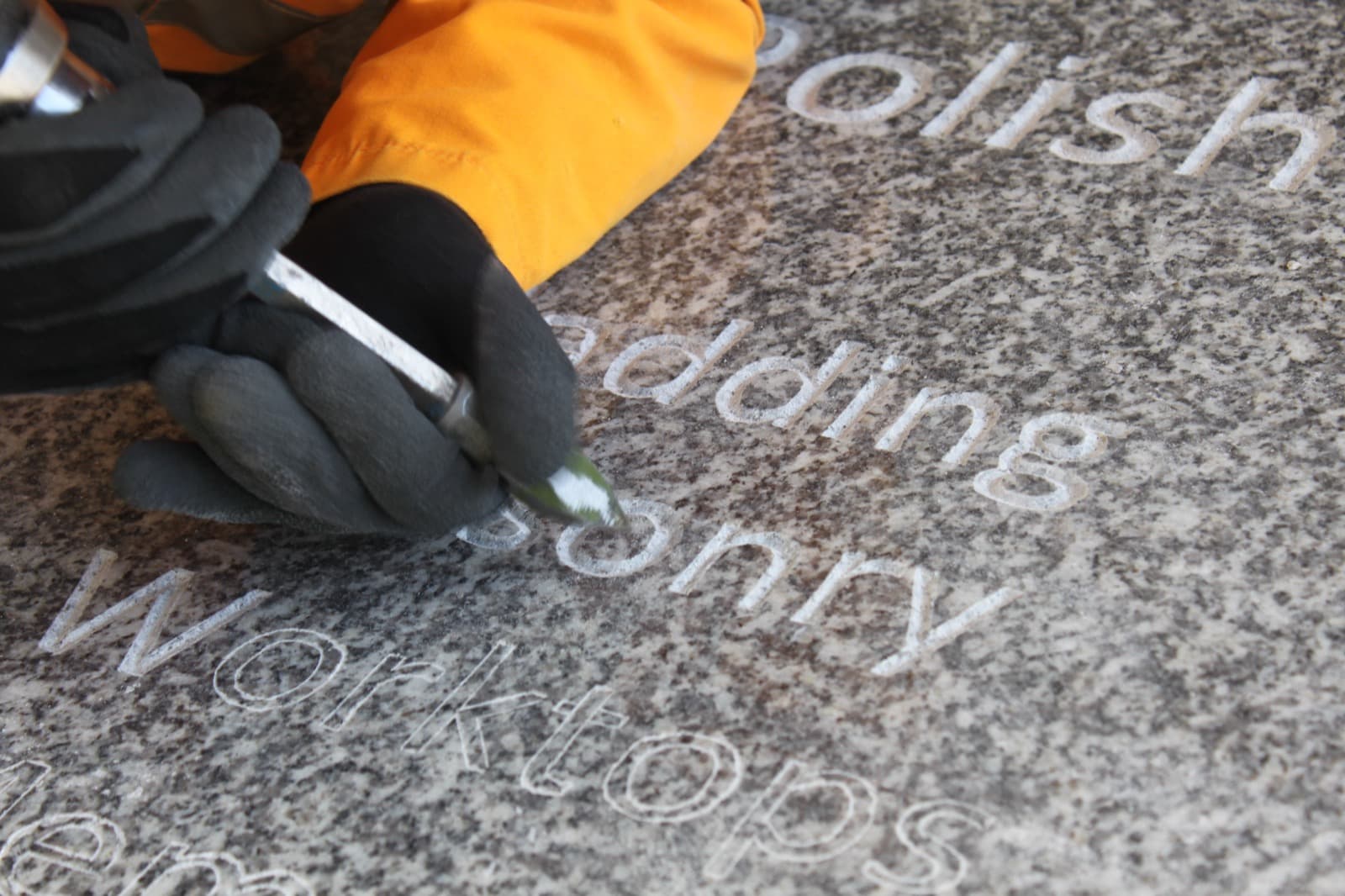
Every finish is produced at De Lank. From polished to hand punched — all from the same silver-grey Cornish granite.
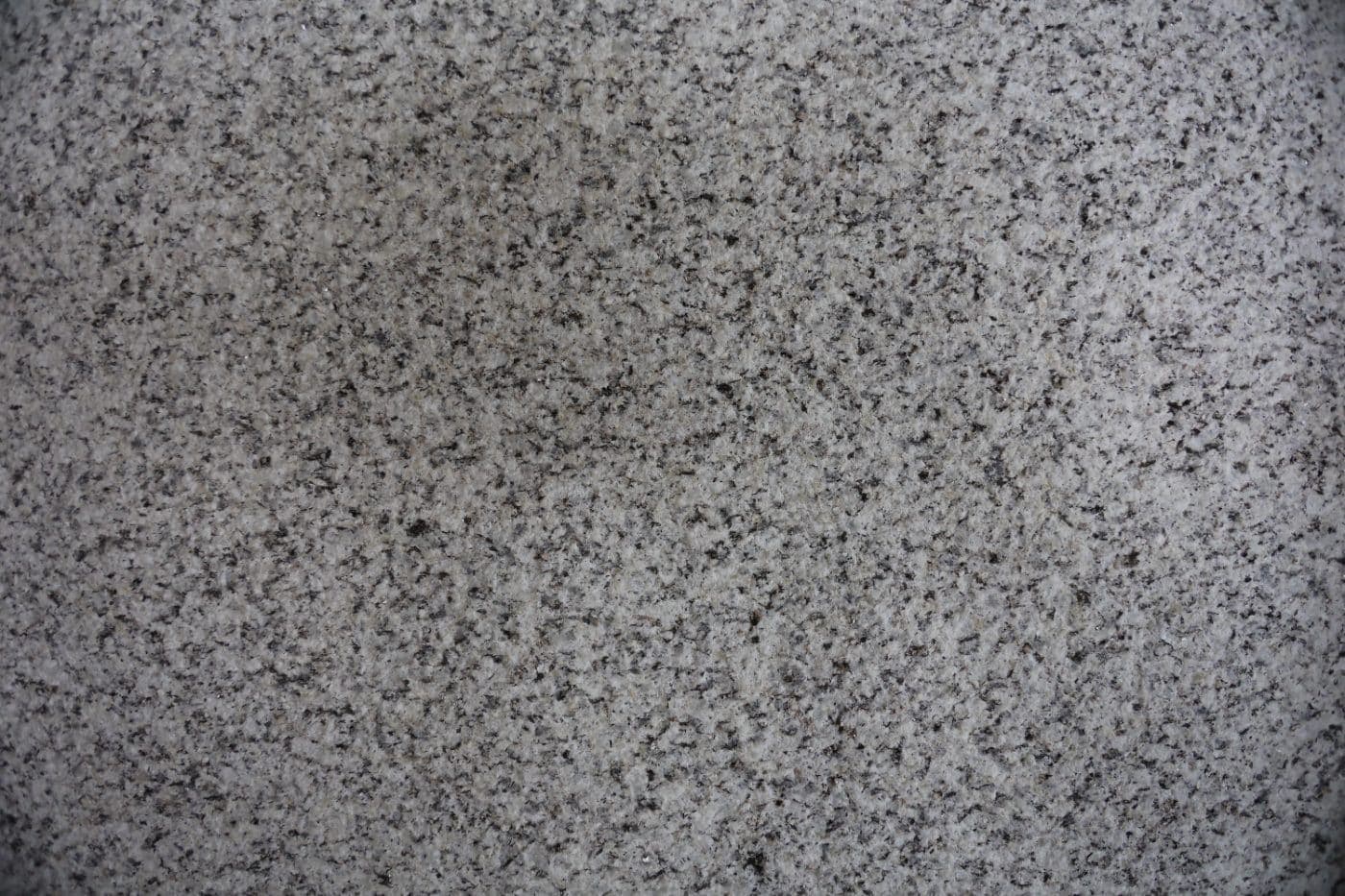
Dolly Pointed
A traditional masonry finish produced by hand-held punching tools. The most slip-resistant finish and the most visually alive — light plays differently across each individual mark.
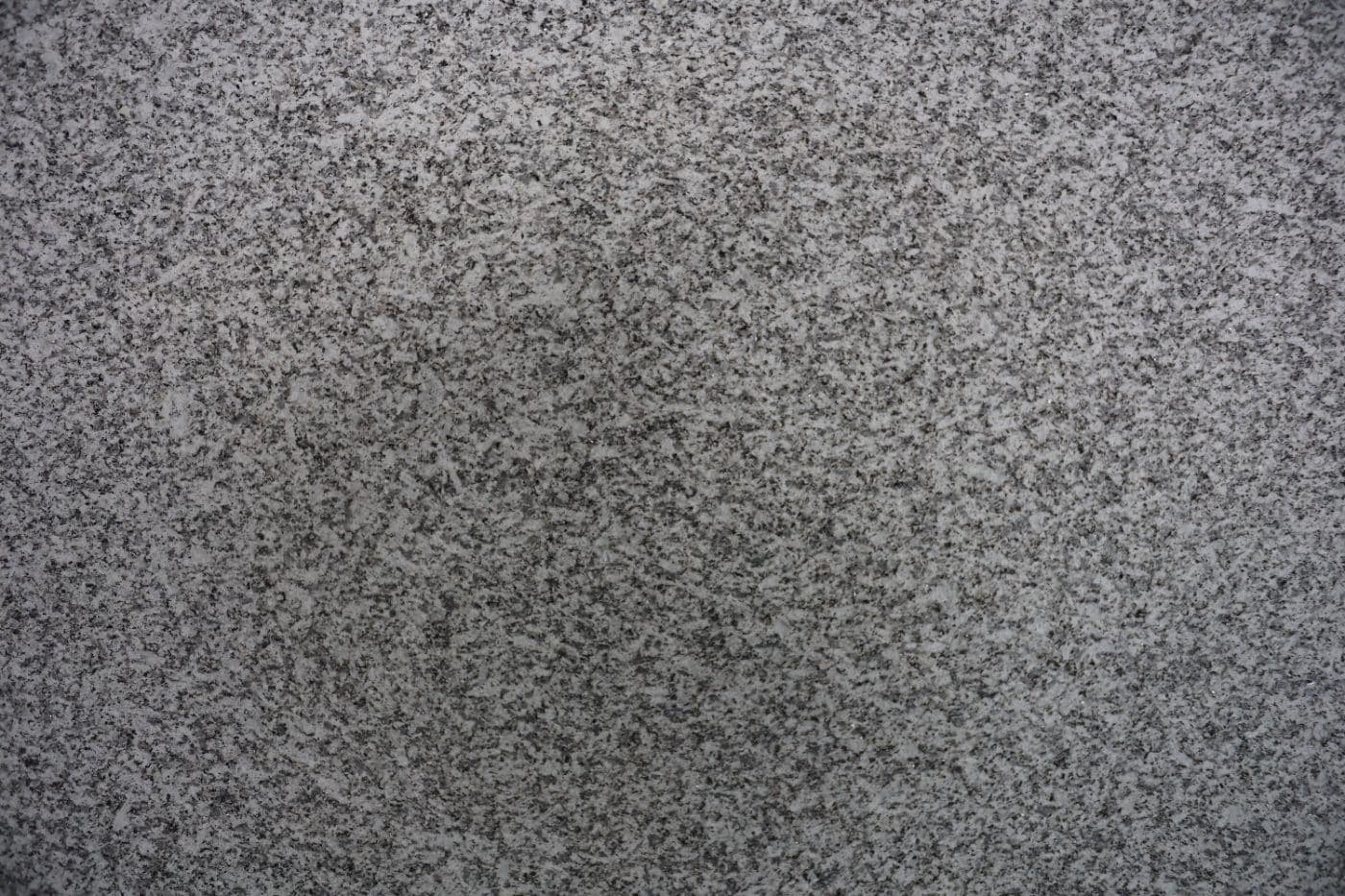
Flame Textured
An intense flame causes the surface crystals to micro-fracture and spall, leaving a consistently rough, naturally varied texture. Visually dramatic and exceptionally anti-slip.
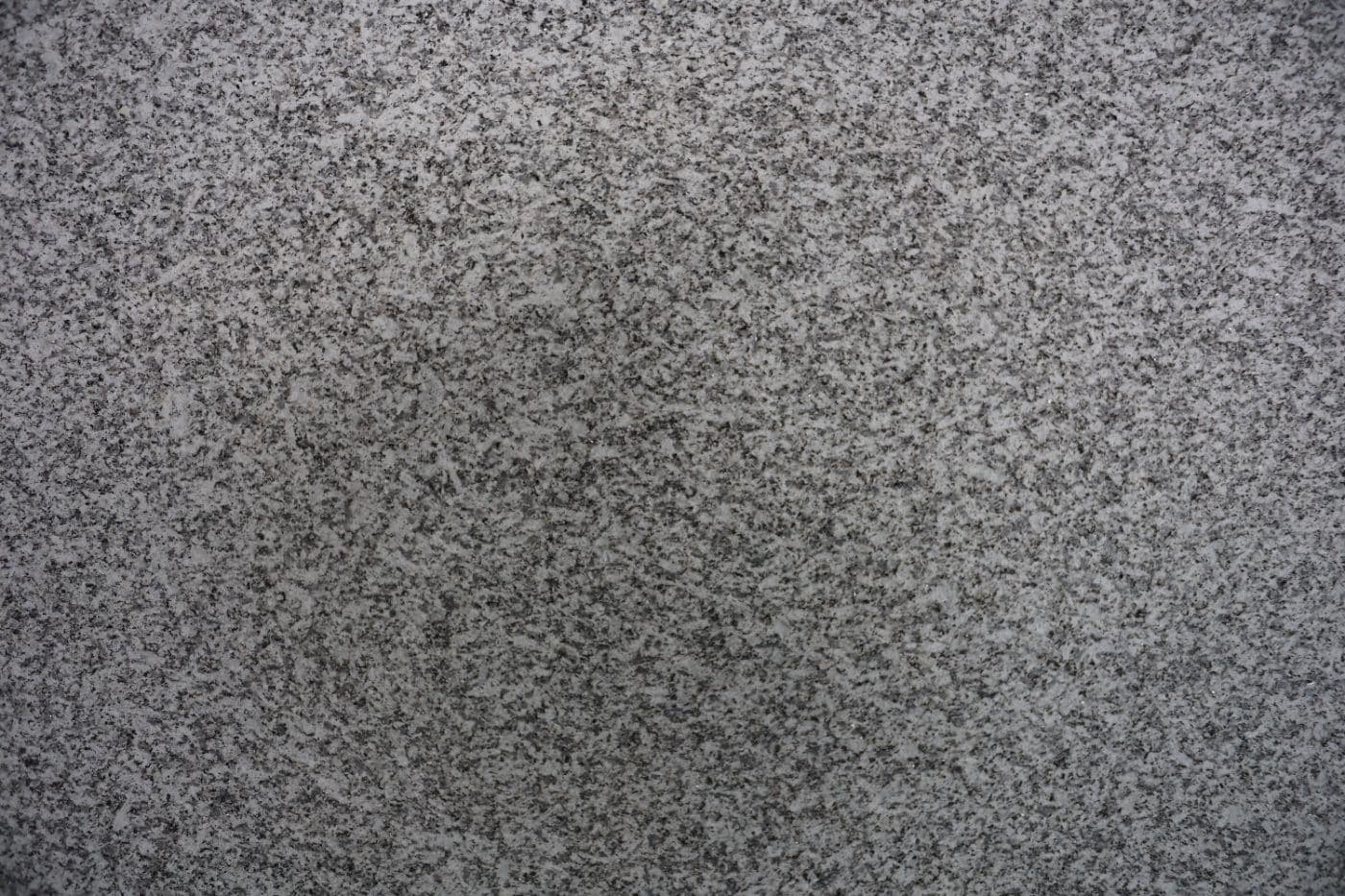
Sawn
Diamond wire and blade-sawn surfaces retain visible saw marks — a contemporary, direct finish suited to modern architectural contexts.
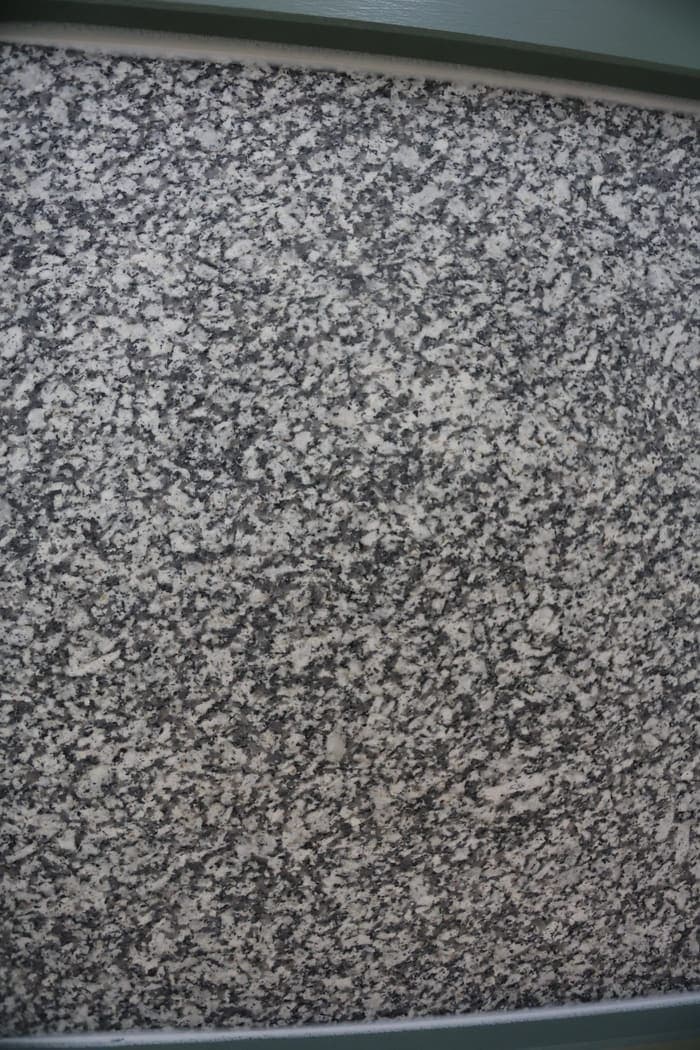
Honed
A smooth, matte surface achieved by grinding progressively finer abrasives. The silver-grey of De Lank granite is at its most pure in a honed finish.
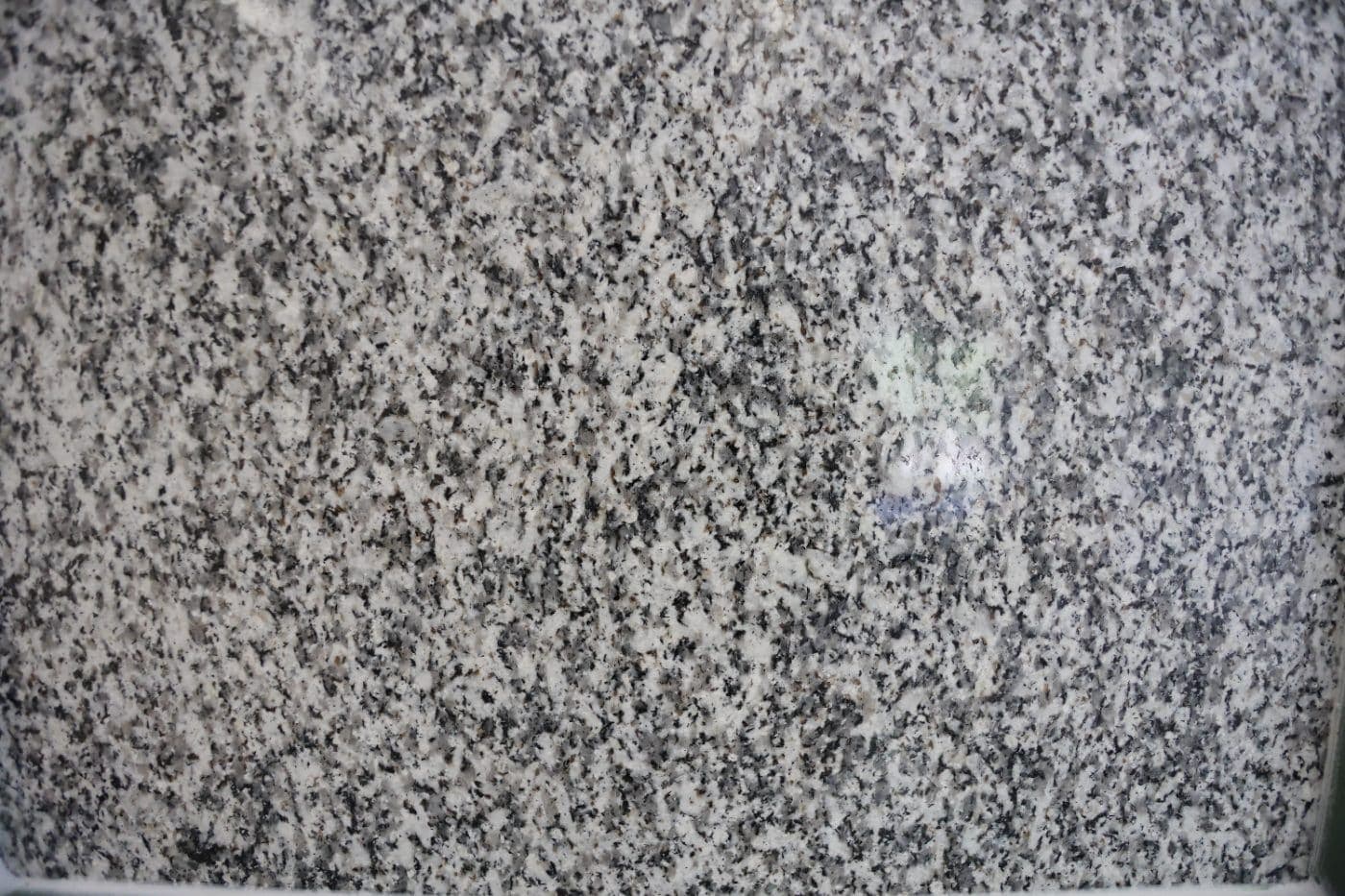
Polished
A mirror-like surface revealing the full mineral composition of the granite. Best suited to interior use or sheltered external applications.
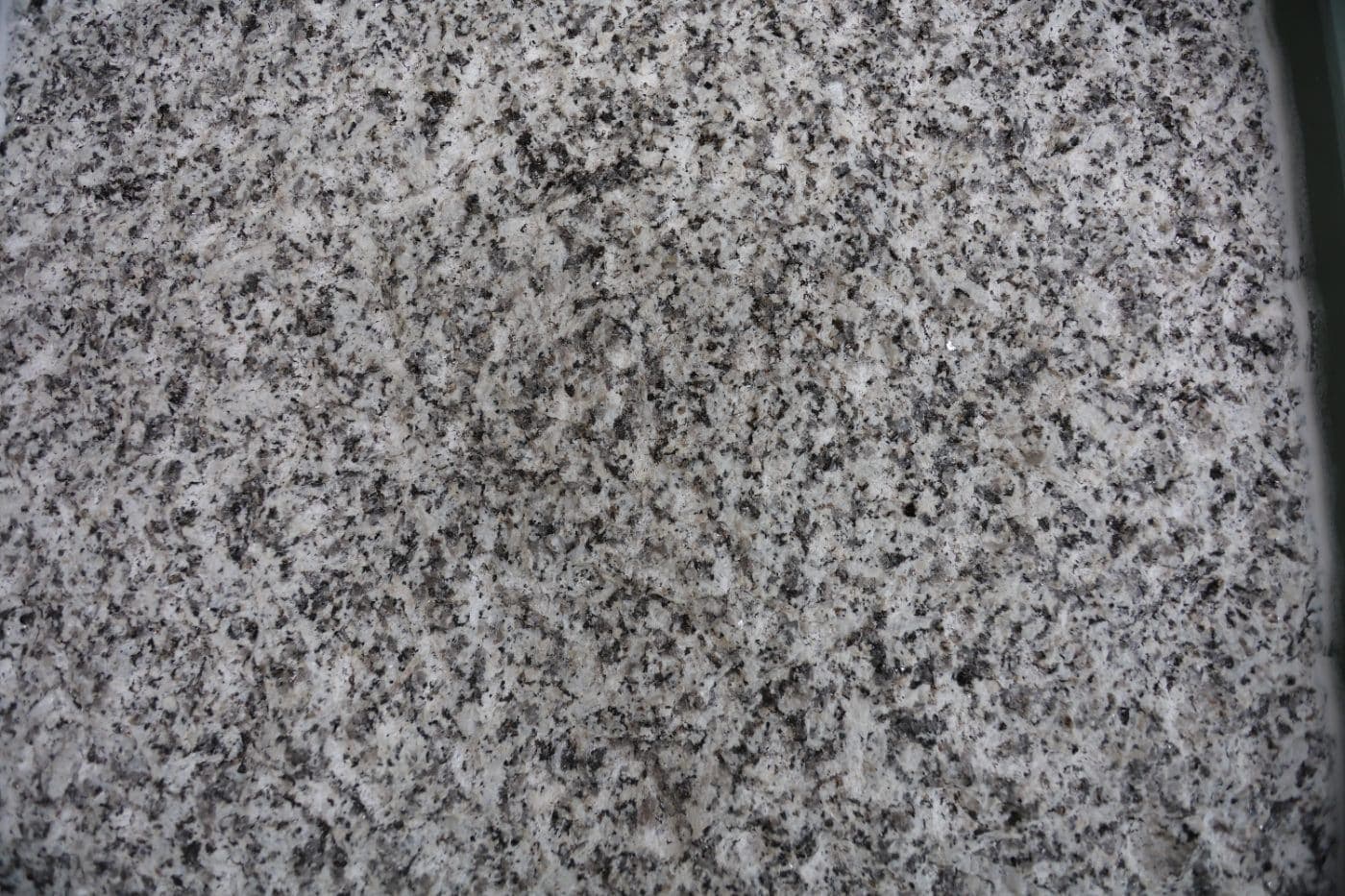
Hand Punched
A bold, deeply textured finish created by heavy punch tools. More robust than dolly pointed — the surface is irregular and tactile.
Specifying De Lank granite?
We work directly with architects, engineers and conservation specialists. Tell us about your project and we will respond within one working day.
Start an enquiry →