Two films from more than half a century ago show De Lank and Cornish granite at work, an industry De Lank is now the last to carry on. Watch both below.
Most companies have a history. Very few have it on film. De Lank does, and not from a glossy modern shoot, but from cameras that came to Cornwall more than half a century ago, when the men who worked the stone still split and dressed much of it by hand.
Two of those films survive. Together they tell the story of De Lank, and of Cornish granite itself, better than anything we could write.
Reuben Long, the granite man
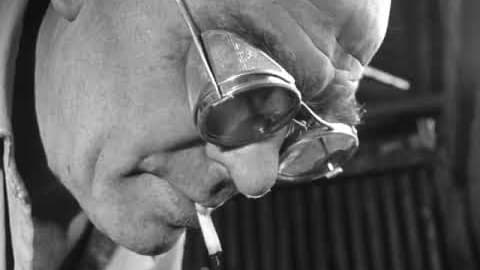
In the early 1960s the BBC made a short documentary for its West series In View about a single quarryman at De Lank. His name was Reuben Long, and the film, Granite Man, is a quiet, close portrait of one man and the rock he gave his working life to. It is the human face of the quarry: the patience, the skill and the character that went into every block.
Cornish granite, 1950s
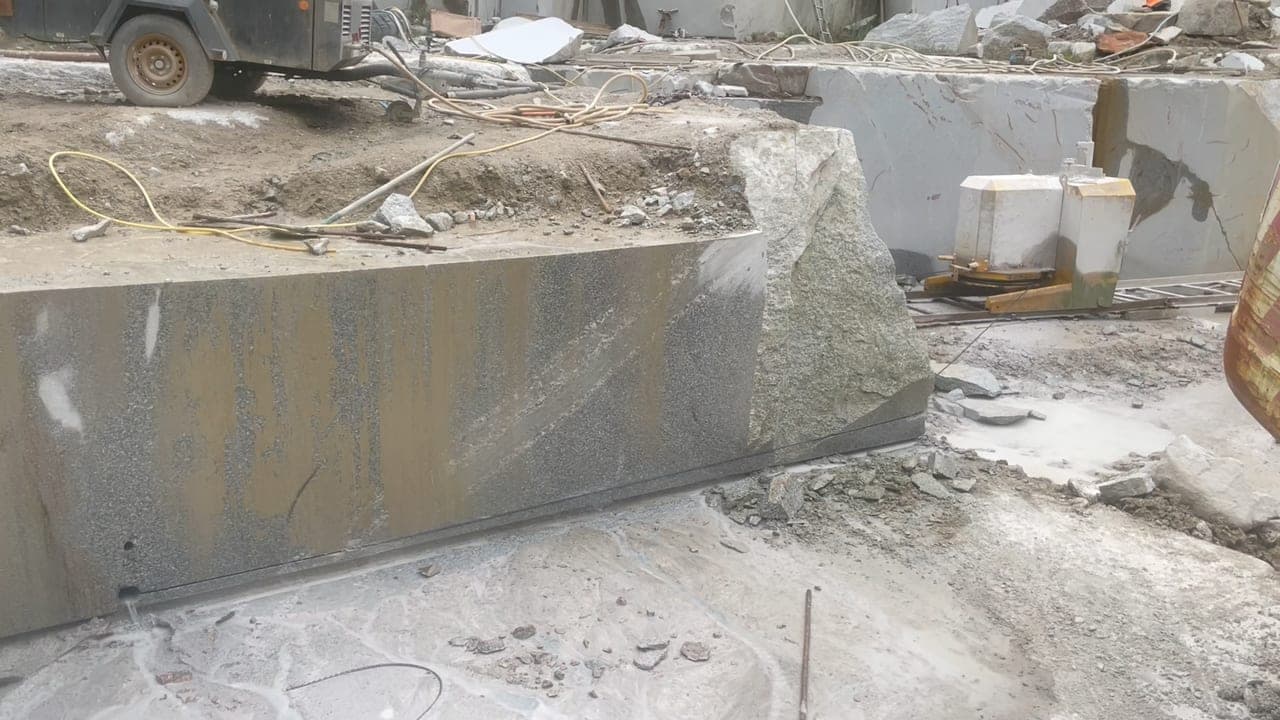
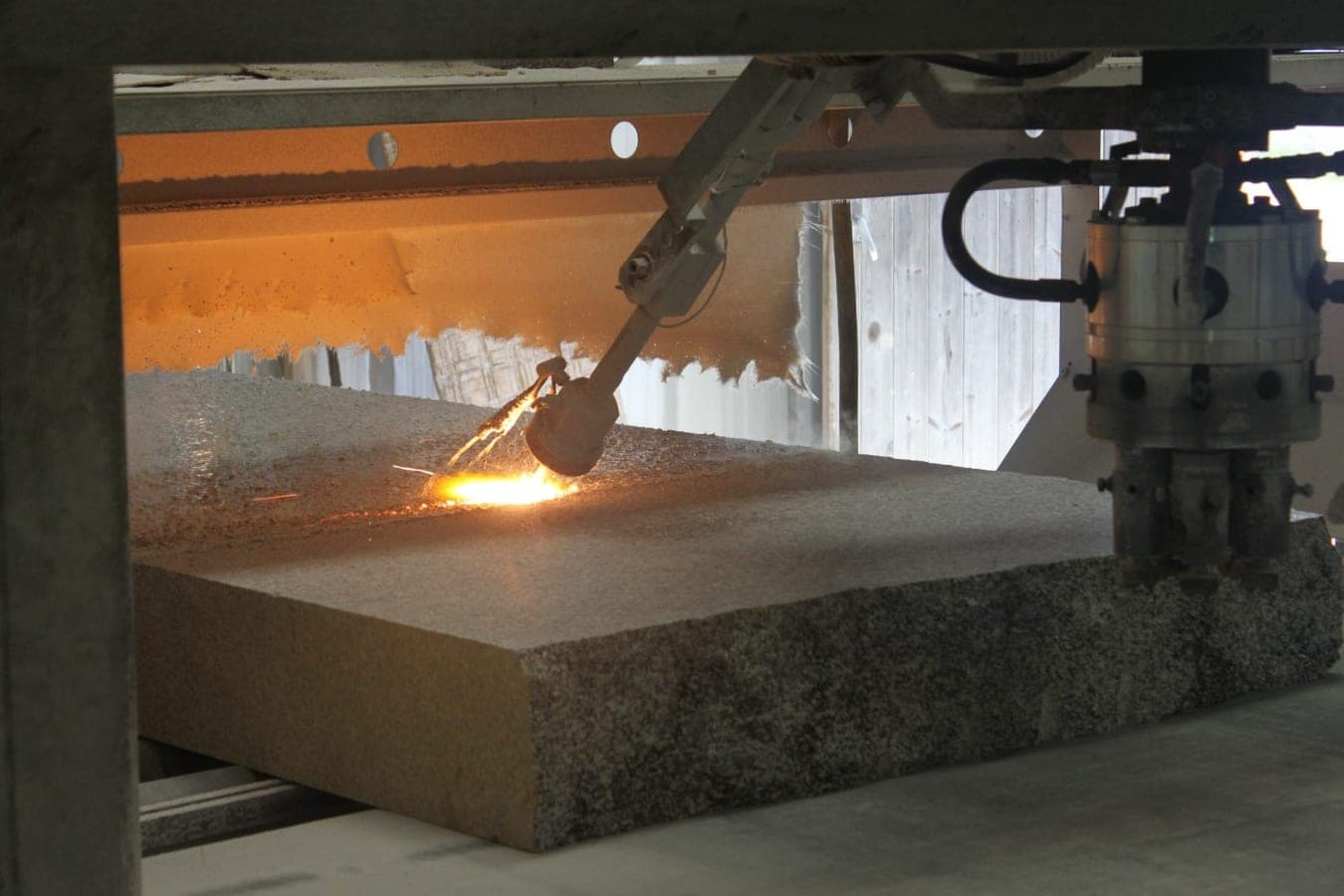
The second film is older and wider in scope. Made in the 1950s and held today by Huntley Film Archives, it follows the whole business of Cornish granite: drilling and blasting at the quarry face, splitting and cutting the blocks, and shipping them out by rail and river to the building sites of London. Many of the projects in it were built from De Lank stone, and all of it is Cornish granite, the same tradition De Lank carries on today. It is the stone of bridges, of civic buildings and of national landmarks, filmed at the height of the trade.
Why this matters today
This is heritage you cannot manufacture. De Lank is now the only Cornish granite quarry still working at scale, the sole survivor of the industry these films recorded. The Cornish granite you see being won and worked here is, today, De Lank's story to carry on. When an architect or engineer specifies De Lank, they are choosing a stone that was already worth filming sixty and seventy years ago, still cut from the same hillside on Bodmin Moor. The faces and the methods have moved on. The stone, and the standard, have not.
Watch the films
Both films are below. Start with Reuben Long if you want the man, or the 1950s documentary if you want the sweep of the industry. Either way, you are looking at the roots of every piece of Cornish granite leaving De Lank today.