Excerpt: De Lank granite is not imported, blended or anonymous. It is a silver-grey Cornish granite from one known quarry on Bodmin Moor, supplied for building stone, paving and architectural masonry.
There is a difference between buying stone and knowing where it comes from.
Stone is often sold by colour, size or finish. Grey granite. Random walling. Paving slabs. Setts. Kerbs. Cills. Lintels. Useful terms, but they can make the material sound anonymous, as if one grey stone is much the same as another.
De Lank granite is not anonymous.
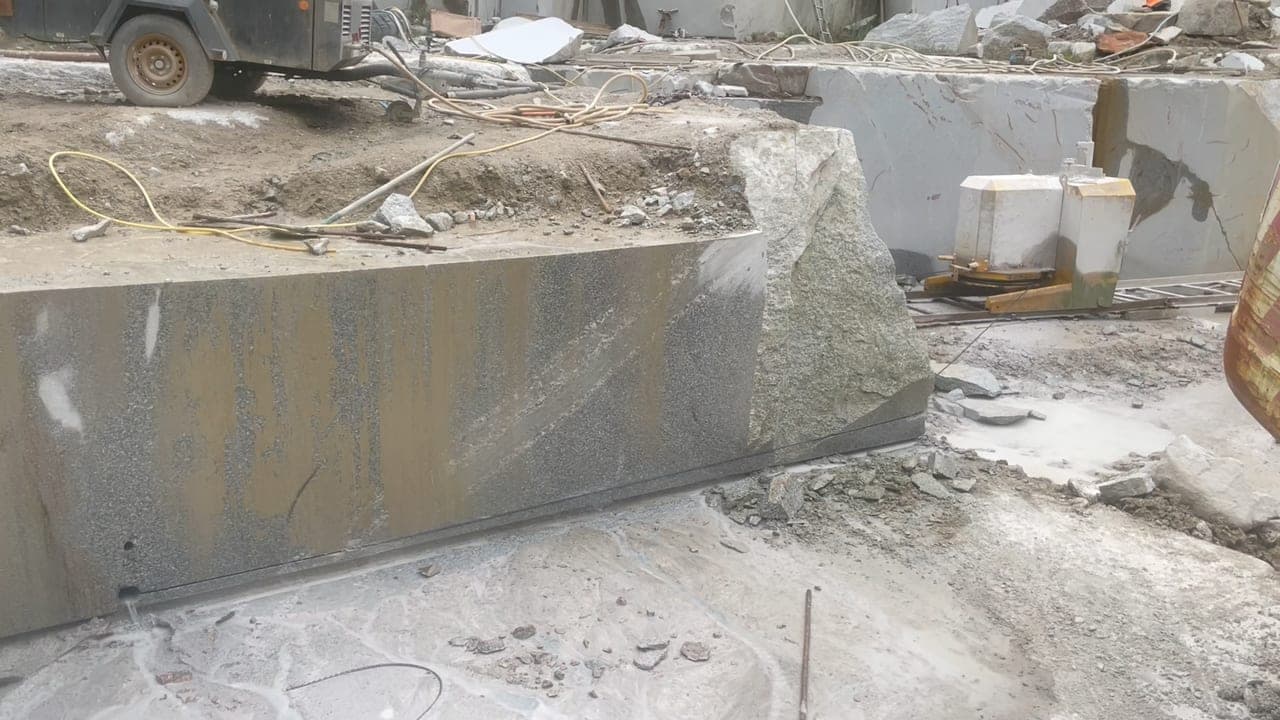
It comes from De Lank Quarry near St Breward on Bodmin Moor in north Cornwall. The quarry sits above the River De Lank, in a landscape shaped by granite long before it was shaped by roads, buildings or industry. The stone itself formed around 290 million years ago as molten rock cooled slowly underground, creating a hard crystalline granite made up largely of minerals such as quartz, feldspar and mica.
That slow formation matters. It is what gives granite its density, strength and texture. It is also what gives De Lank its character: a distinctive silver-grey colour, a medium to coarse crystalline appearance, and a sense of depth that changes with the finish.
In building stone, that character is especially important.
A wall is not a flat product. It is a collection of pieces, faces, beds, joints and shadows. It changes in different weather and under different light. On a new house, an extension, a garden wall or a retaining wall, the choice of stone determines not only the colour of the building, but its weight, rhythm and relationship with the landscape.
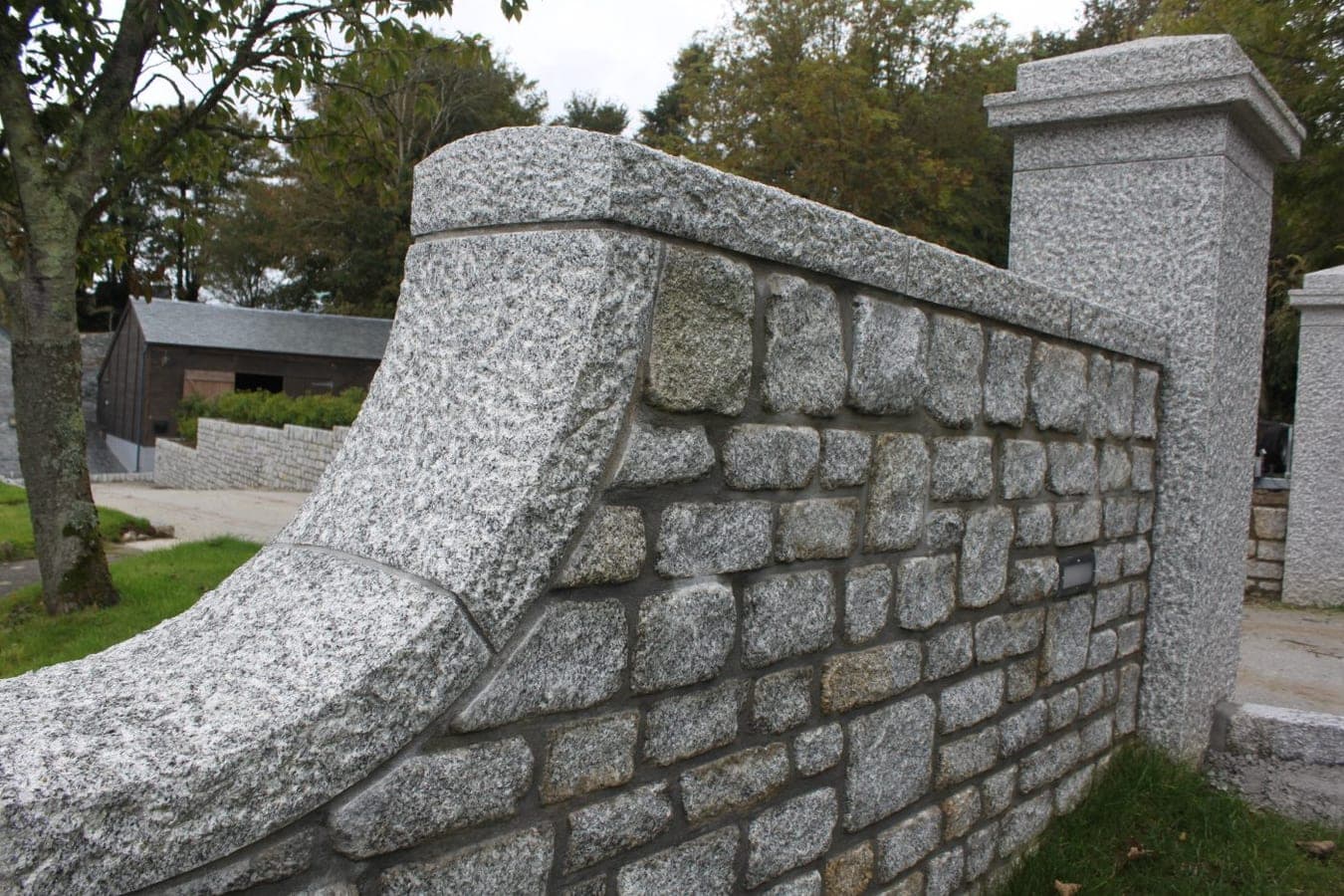
De Lank Quarry supplies Cornish granite building stone in several styles, including rustic, random and semi-coursed walling stone. Each gives a different effect.
Rustic stone has a more irregular rubble character, with a traditional appearance suited to natural stone walling. Random facing stone is still varied, but more buildable, with a mix of shapes and sizes that allows the mason to create a natural wall without it becoming too wild. Semi-coursed stone gives a cleaner and more contemporary feel, using more regular square and rectangular pieces while still retaining the individuality of natural granite.
That choice matters because “building stone” is not one look. The same quarry can supply stone for a rural boundary wall, a contemporary new build, a conservation extension or an internal feature wall, but the style and finish need to suit the project.
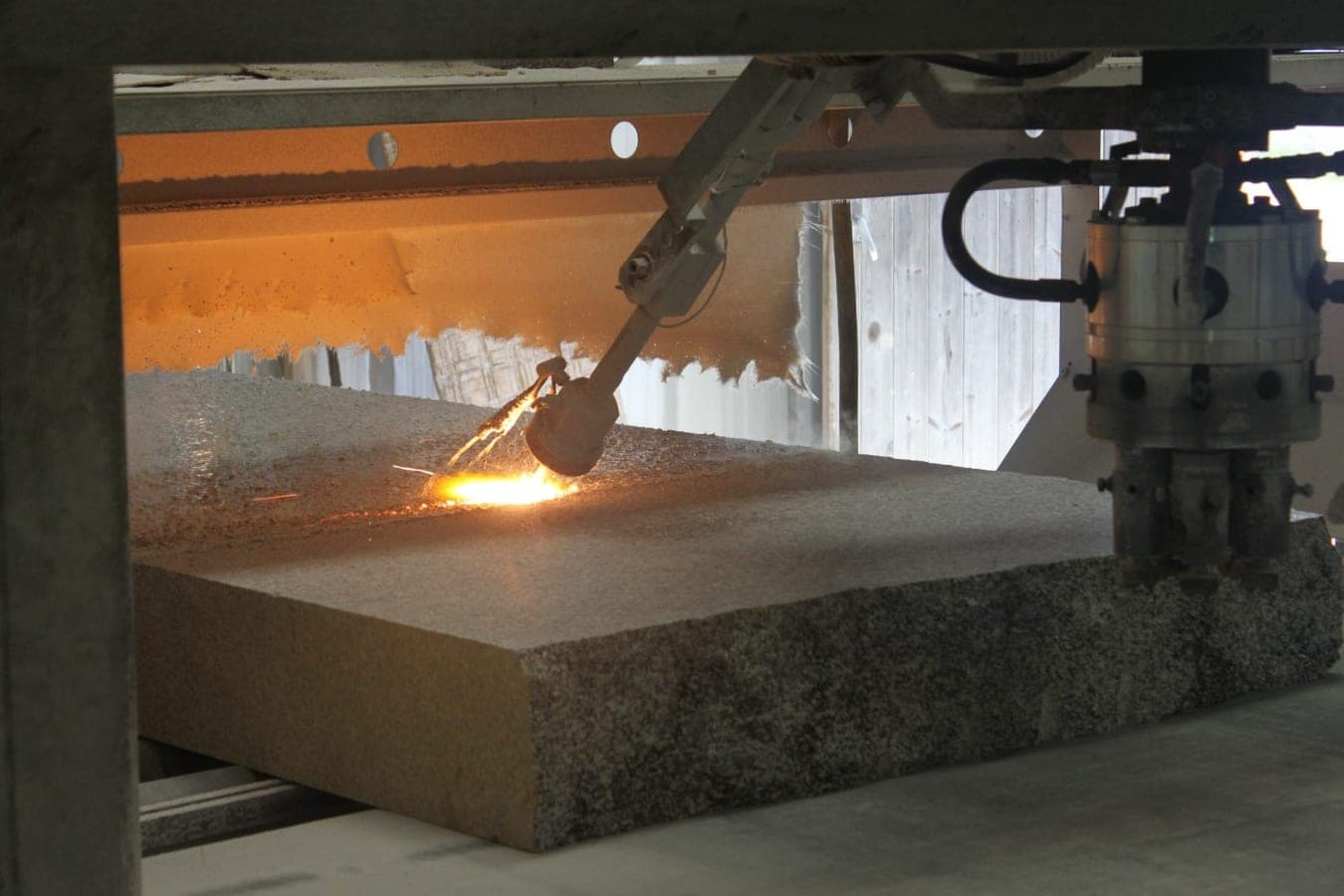
Then there is architectural masonry. De Lank granite can be cut and worked for cills, lintels, quoins, steps, copings and bespoke stonework. This is where the quarry’s practical knowledge becomes as important as the material itself. Granite is a hard stone. It rewards skill, but it does not forgive guesswork. Good masonry depends on selecting the right block, understanding the finish, cutting accurately and thinking about how the piece will weather once installed. This is one of the advantages of a working quarry. The conversation does not have to pass through layers of catalogue descriptions and intermediaries. A project can be discussed in terms of the actual stone: its size, finish, build style, availability, technical performance and intended use.
Single-quarry provenance is not just a heritage phrase. It is practical. If a project needs a consistent material, a clear source and the ability to discuss requirements directly, knowing the quarry matters. De Lank granite is not a mixed shipment of grey stone from unknown sources. It is a British granite from a named place, with a long record in building, paving and masonry.
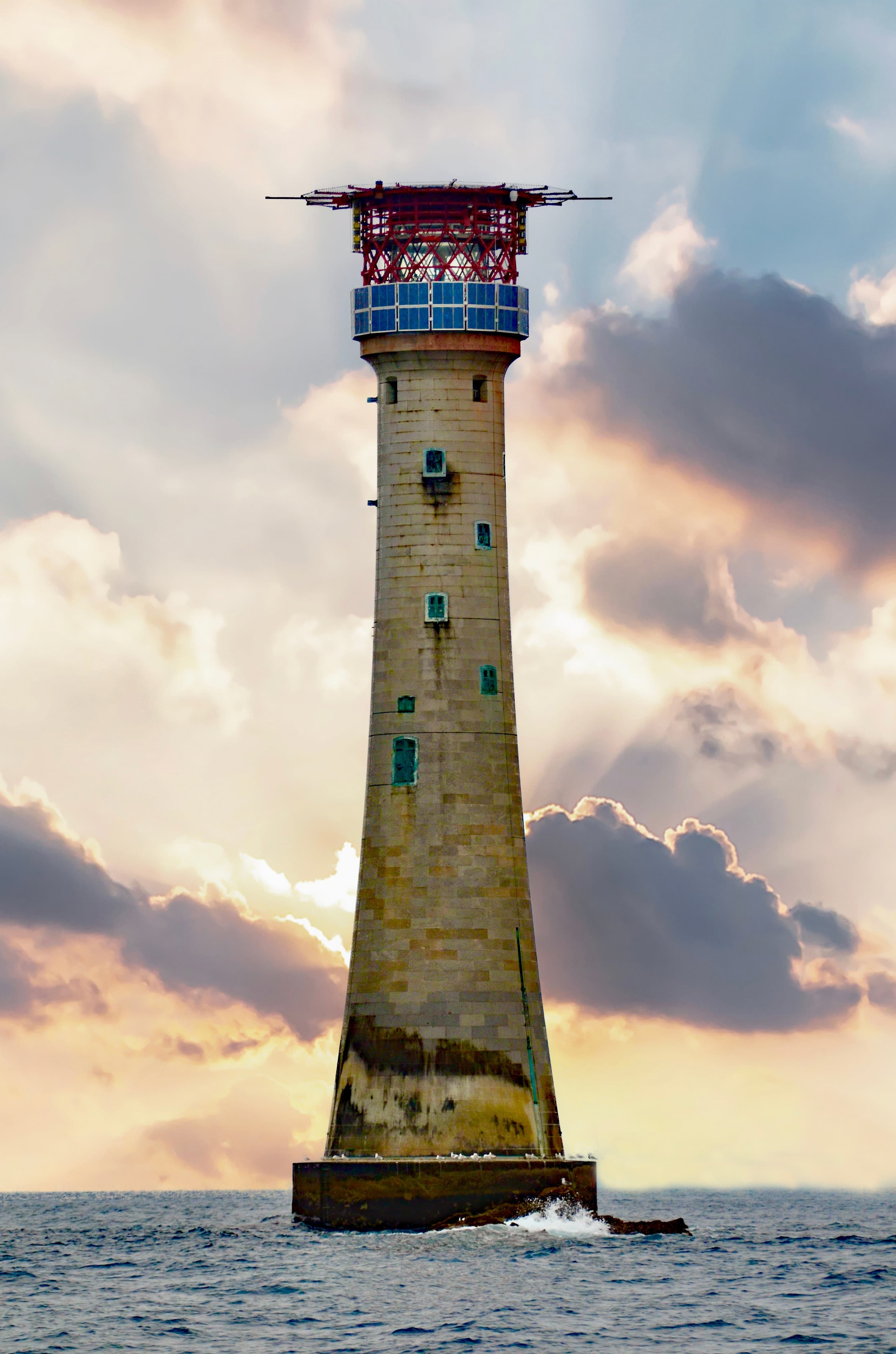
That record stretches from local building stone to national landmarks. The same geological source that provides walling stone for houses and gardens has also supplied granite for bridges, embankments, memorials and major architectural projects. That is part of what makes De Lank unusual. It is both local and national. Practical and prestigious. Rugged enough for walling stone, precise enough for architectural masonry.
For architects and builders, the question is not simply whether granite is strong. It is whether this particular granite has the right appearance, workability, provenance and support behind it.
De Lank gives a clear answer. A silver-grey Cornish granite from Bodmin Moor. A known quarry. A proven stone. A material that can be used in walling, paving, setts, kerbs, cills, lintels, quoins and bespoke masonry.
In a world full of imported and anonymous stone, that clarity is valuable.