Walk through London and you may be closer to Bodmin Moor than you think. De Lank granite has been used in bridges, embankments, memorials, public squares and major buildings across the capital.
London is often described in brick, Portland stone, bronze and glass. But look again and another material starts to appear. Along the river. Underfoot in public squares. In bridges, memorials, civic buildings and modern architecture.
Cornish granite.
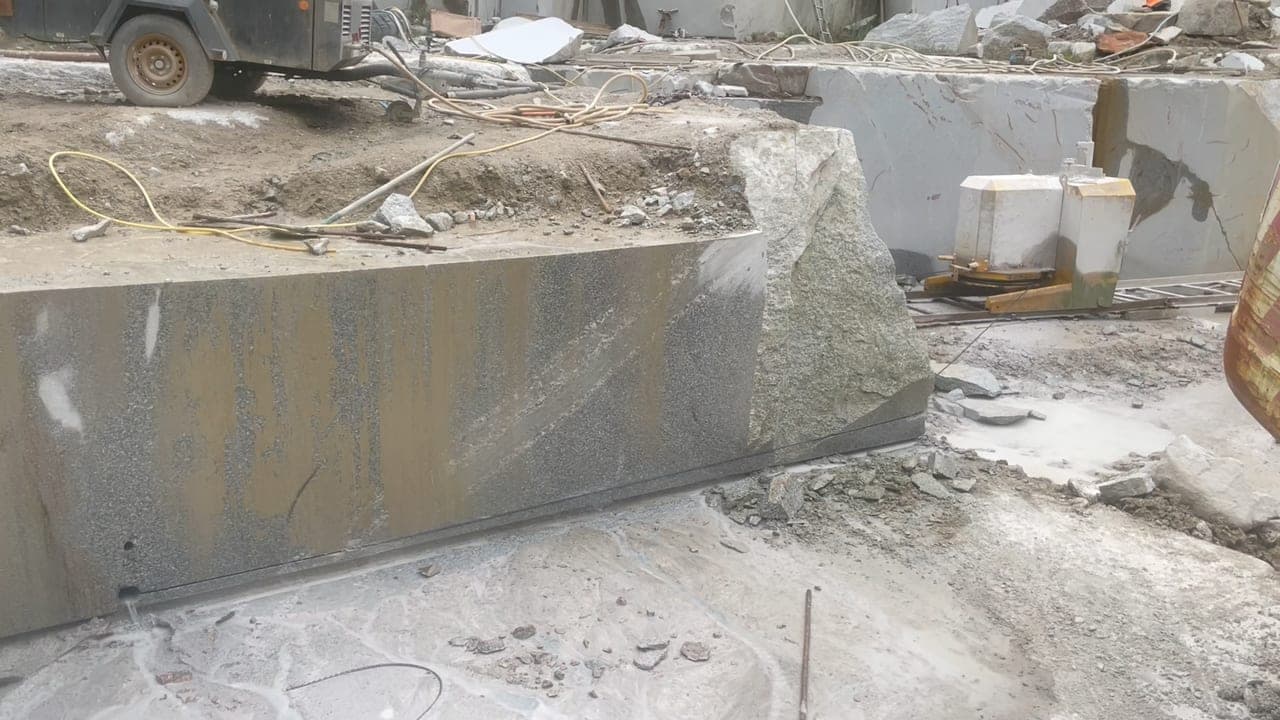
More specifically, De Lank granite: a silver-grey granite quarried near St Breward on Bodmin Moor in north Cornwall. It is a stone that has travelled a long way from the quiet valley of the River De Lank, but it has become part of the fabric of the capital.
This is not accidental. London has always needed materials that can cope with hard use. Bridges, river walls, paving, steps and public spaces are not gentle environments. They deal with rain, frost, pollution, tides, footfall, vehicles, cleaning regimes and the general punishment of city life. A stone used here has to do more than look good on the day it is installed. It has to keep earning its place.
De Lank granite has done that for generations.
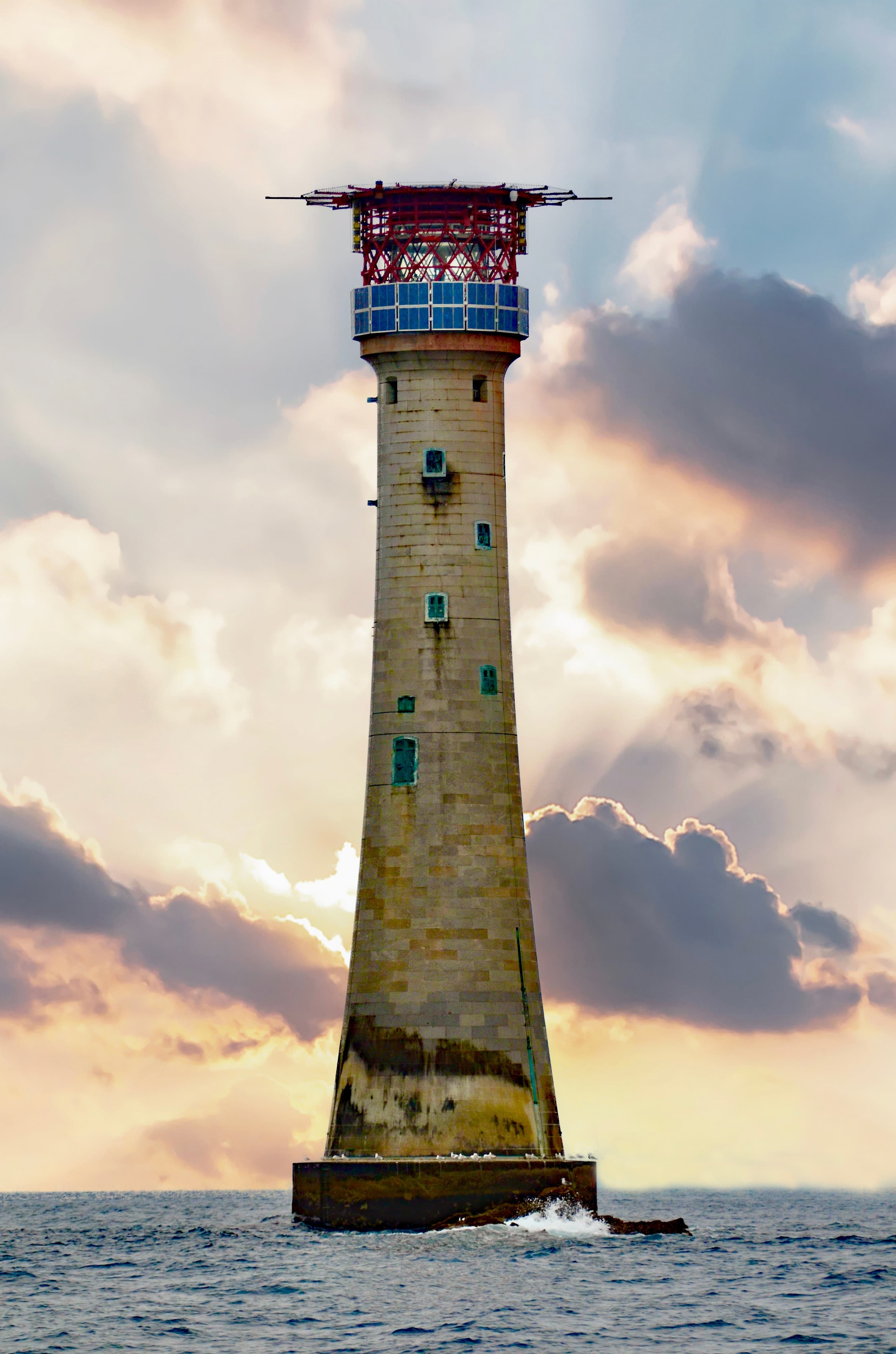
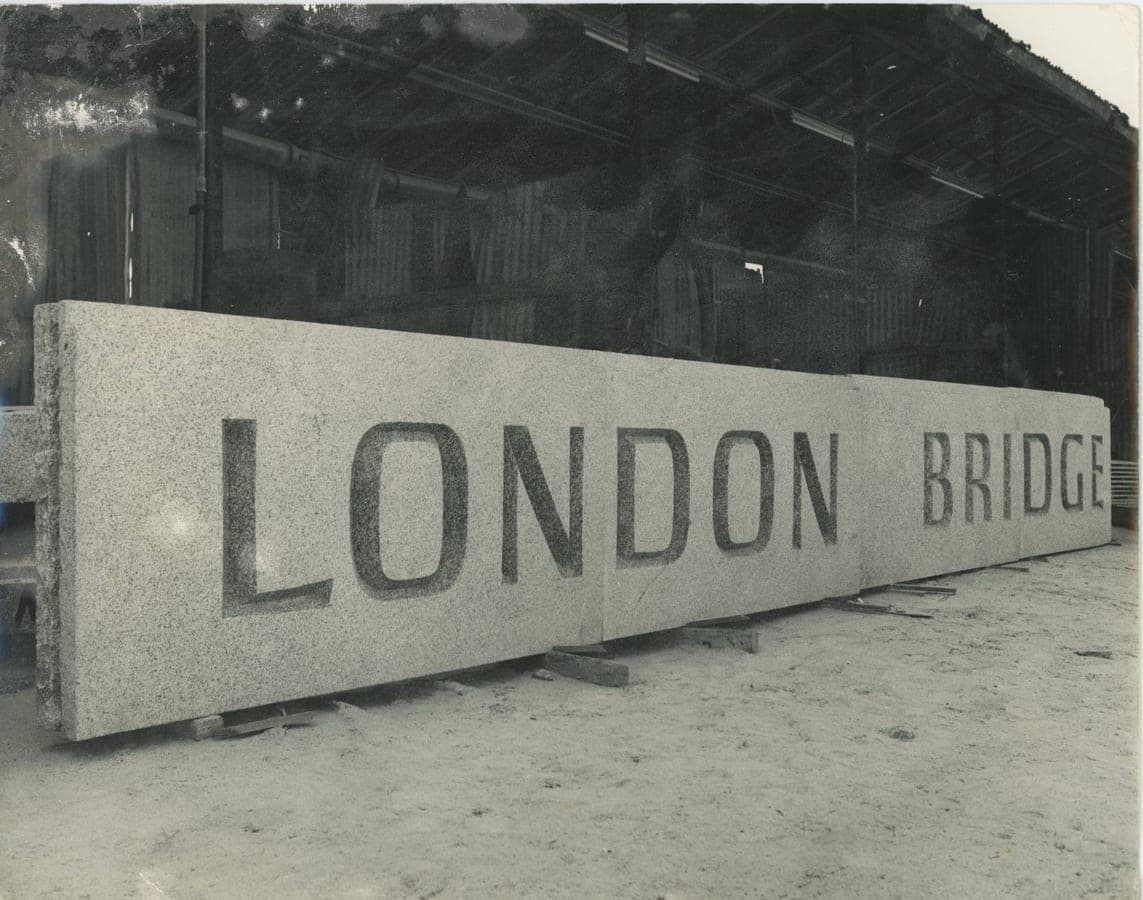
Its story in London can be traced through some of the city’s most recognisable places. The Thames Embankment, Blackfriars Bridge, Putney Bridge, London Bridge and Tower Bridge all sit within a long tradition of Cornish granite being specified for demanding civil and architectural work. These are not decorative gestures. They are places where stone is tested by weather, movement, water and constant use.
Then there is Trafalgar Square. Few public spaces in Britain are walked across, gathered in, photographed and occupied quite like it. In the 2003 redevelopment, De Lank granite was supplied for new steps, seat benches and paving. It is a particularly good example because it is so ordinary and extraordinary at the same time. People sit on it, walk over it, meet beside it and barely think about it. That is often the mark of good public realm: the material does its job so well that it becomes part of the place.
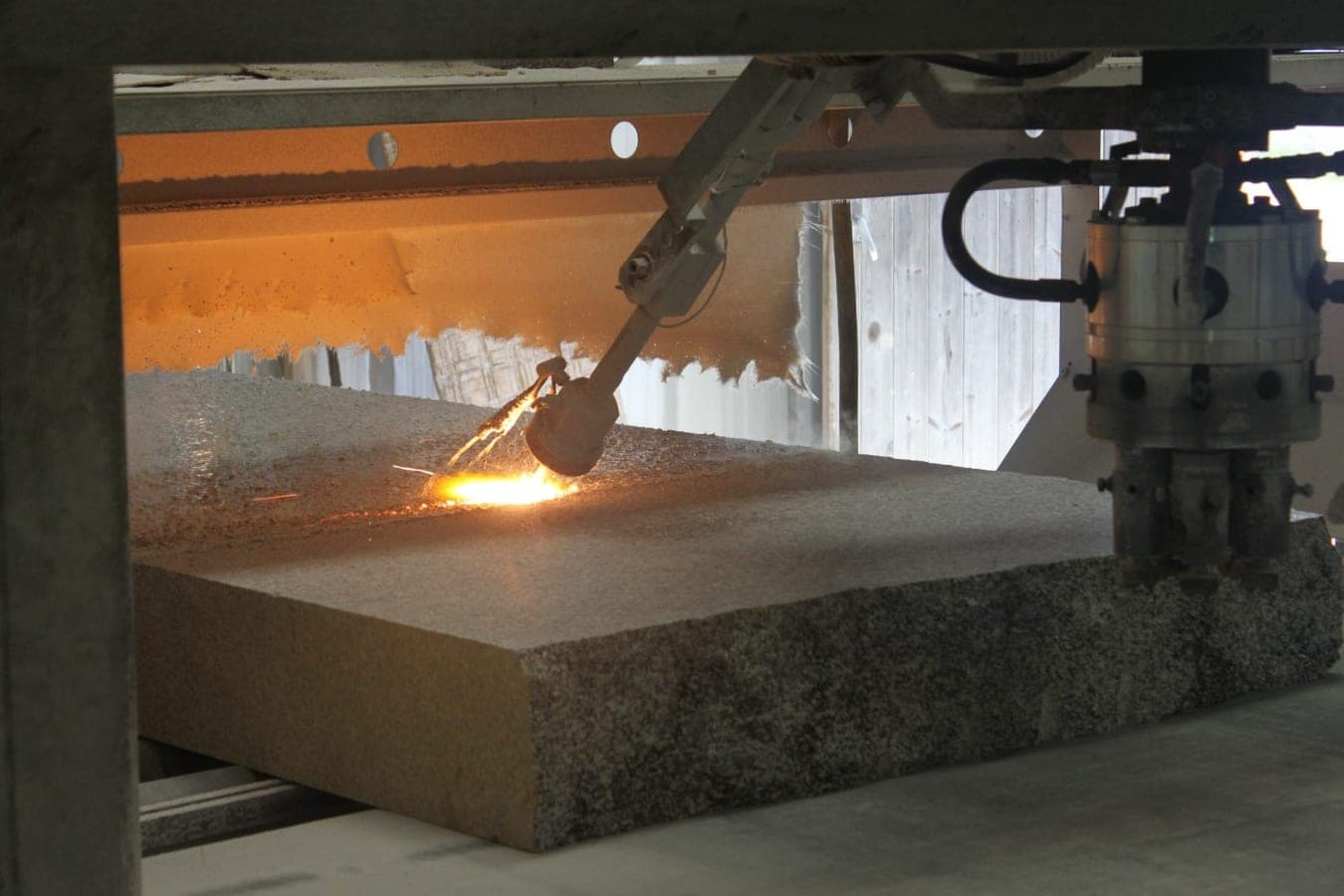
The Diana, Princess of Wales Memorial Fountain in Hyde Park tells a different story. Here the granite is not just a surface or structure, but part of the experience. The memorial is made from hundreds of pieces of Cornish granite, shaped with modern machinery and assembled with traditional skill. Water moves across the stone in different ways, from calm flow to bubbling movement, giving the granite a role that is both practical and symbolic.
More recently, De Lank granite has appeared in major contemporary projects, including the New US Embassy in Nine Elms and Chelsea Barracks. These are not heritage replicas. They show that the same stone can sit comfortably in modern architecture, where consistency, finish, precision and provenance matter just as much as durability. That range is important. De Lank granite is not only a historic material. It is not only a restoration stone. It is a working British granite that can move from bridgework to memorials, from paving to architectural masonry, from conservation projects to contemporary civic buildings.
The quarry itself remains in north Cornwall, above the River De Lank. The setting could hardly feel further from central London. But that is part of the interest. A stone formed around 290 million years ago beneath what is now Bodmin Moor has become part of the daily life of the capital.
It is there in the background of photographs. Beneath the feet of tourists. Around buildings that define public life. Along the Thames, where London has always had to build against water.
Good stone has a quiet confidence. It does not need to shout. It simply remains.
De Lank granite has earned its place in London not through fashion, but through performance. It has been chosen again and again because it is strong, durable, consistent and capable of being worked to a high standard. That is why it appears in old infrastructure, national monuments and modern landmark projects alike.
For architects, landscape designers, contractors and specifiers, that history matters. It is one thing to say a stone will last. It is another to point to places where it already has.